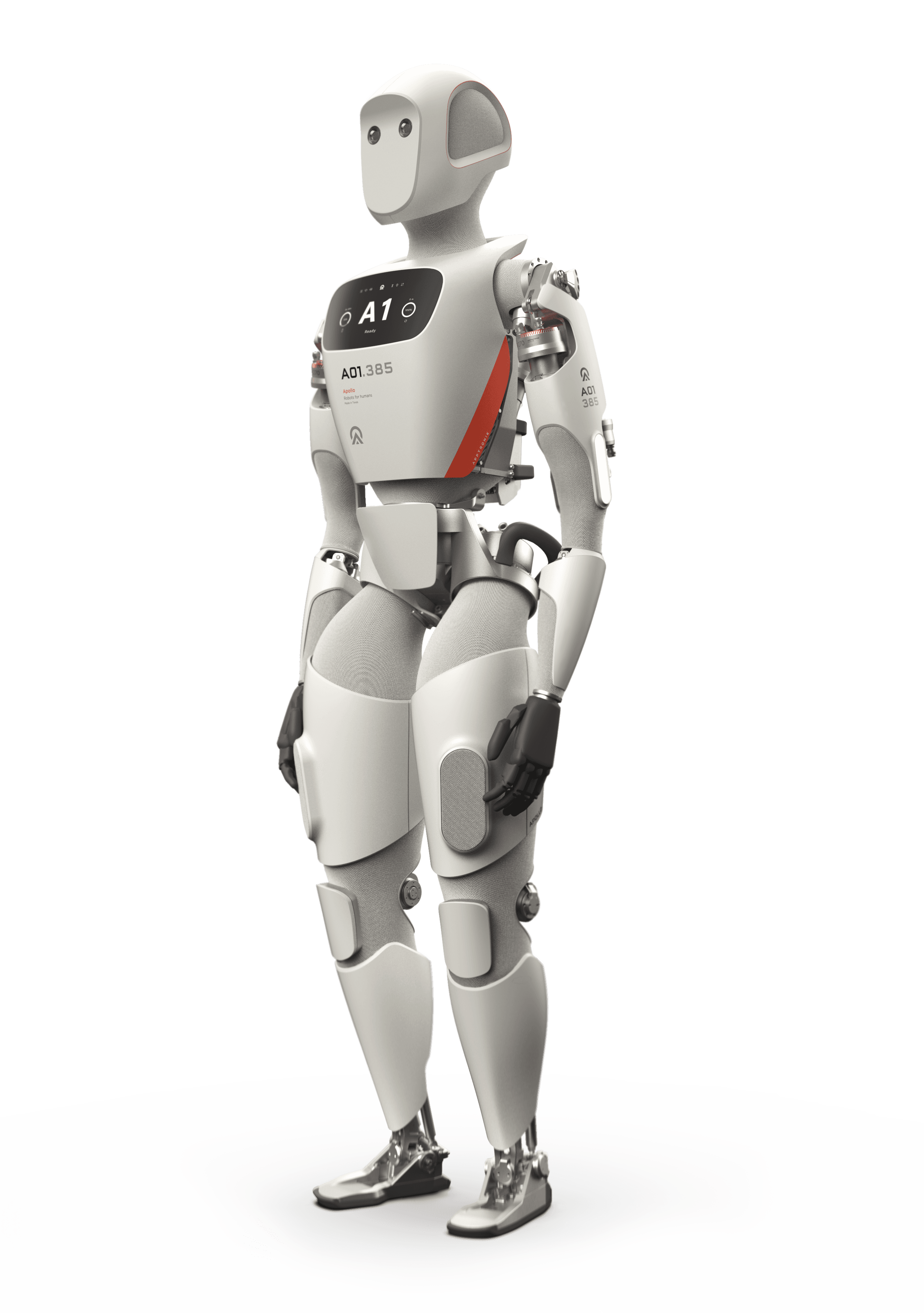
TARS humanoid robot by TARS Robotics
Click to zoom
TARS Robotics

TARS

Prototype
Updated 1 weeks ago
51%
Data Quality

Industrial humanoid achieving world-first two-hand stitching demonstration. Features 5G-A connectivity and precision manipulation for manufacturing applications.

Height
167 cm
Weight
80 kg
DOF
35
Runtime
3 hrs
Max Speed
0.83 m/s
Price
$95,000
IP20

Media Gallery

Pricing

Price History

$95,000
Current Price
Loading history...

Detailed Specifications

Physical Specifications

Height167 cm
Weight80 kg
Main MaterialAluminum + composites
Country of OriginChina

Mobility

Total Degrees of Freedom35
Max Walking Speed0.83 m/s

Manipulation

Total Payload17 kg
Fingers per Hand5

Safety & Protection

IP RatingIP20

Power

Battery Life3 hours

Compute & AI

Operating SystemLinux/ROS
Latency200 ms

Sensors

Camera Resolution1920x1080
Depth SensorsYes

Actuators

Actuator TypeElectric servo actuators
Gear TechnologyHarmonic/Planetary

Communication

Connectivity5G-A, Ethernet, WiFi
ROS CompatibleYes

Commercial Information

Price$95,000
AvailabilityPrototype
Target MarketIndustrial, Manufacturing, Logistics
StatusPrototype

About TARS

TARS is a fictional robotic character from the 2014 film 'Interstellar', known for its unique monolithic design and adaptable articulated structure. Unlike traditional humanoids, TARS consists of four rectangular segments that can reconfigure for various locomotion modes, including walking, running, and growing wheels for high-speed travel.

While TARS originates from science fiction, it has inspired numerous real-world robotics projects and 'maker' replicas. Its design challenges conventional notions of humanoid form, demonstrating how non-anthropomorphic functional adaptability can be achieved. In the film, TARS possesses a high-level AI capable of variable humor settings and complex problem solving.

Note: This entry likely refers to the fictional robot or a specific replica project, as 'TARS Robotics' is not a widely recognized commercial manufacturer of industrial humanoids as of 2026.
Similar Robots

View all →