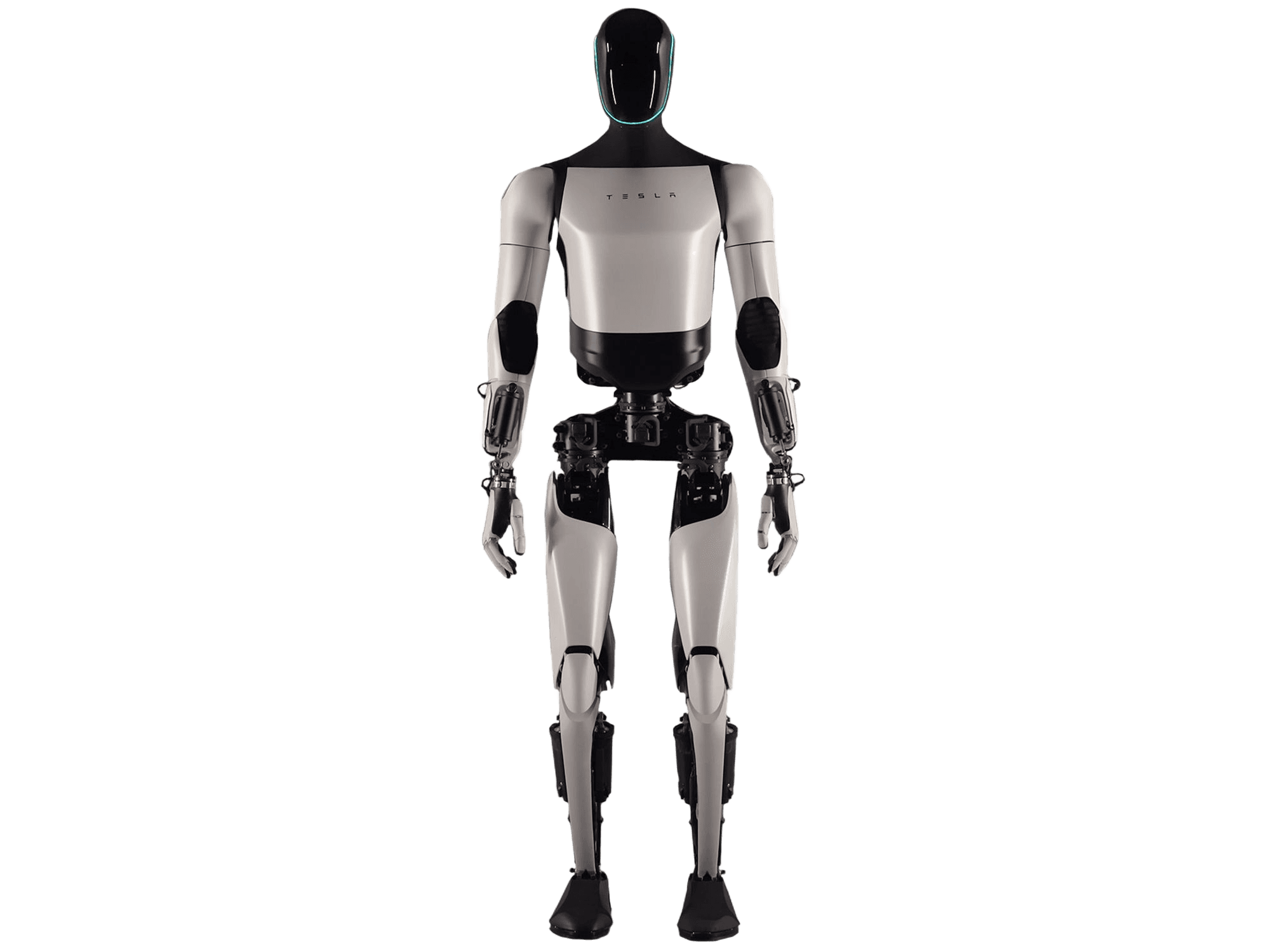
Tesla Optimus Gen 3 (also referred to as V3) represents the next evolution in Tesla's humanoid robotics program. During Tesla's Q3 2025 earnings call, CEO Elon Musk announced plans to unveil the production-intent prototype in Q1 2026, describing it as "sublime" and stating it "won't even seem like a robot" but rather "like a person in a robot suit."
The Gen 3 features significantly upgraded hands with 22 degrees of freedom, more than double the 11 DOF in the Gen 2 hands. This enhancement enables near-human dexterity for complex manipulation tasks including tool handling, cooking, and delicate assembly work. The hands incorporate tendon-driven systems and flexible gloves designed to replicate human precision.
Optimus Gen 3 will integrate Grok, xAI's large language model, to enable advanced reasoning and natural human interaction capabilities. This represents a major leap from earlier generations, allowing the robot to learn by observation and adapt its behavior in real-time rather than requiring extensive pre-programmed training datasets.
Tesla plans to begin low-volume production for internal factory deployment in mid-2026, with high-volume production lines targeting up to 1 million units annually by late 2026. The robot contains approximately 10,000 unique components, requiring Tesla to develop a vertically integrated production process given the lack of an existing humanoid robot supply chain.
Musk has consistently stated a target price of $20,000 to $30,000 for production units at scale, though initial commercial units are expected to be priced significantly higher. Tesla's strategy involves deploying thousands of Optimus robots internally first to reduce manufacturing costs and validate real-world performance before broader commercial release.